


























































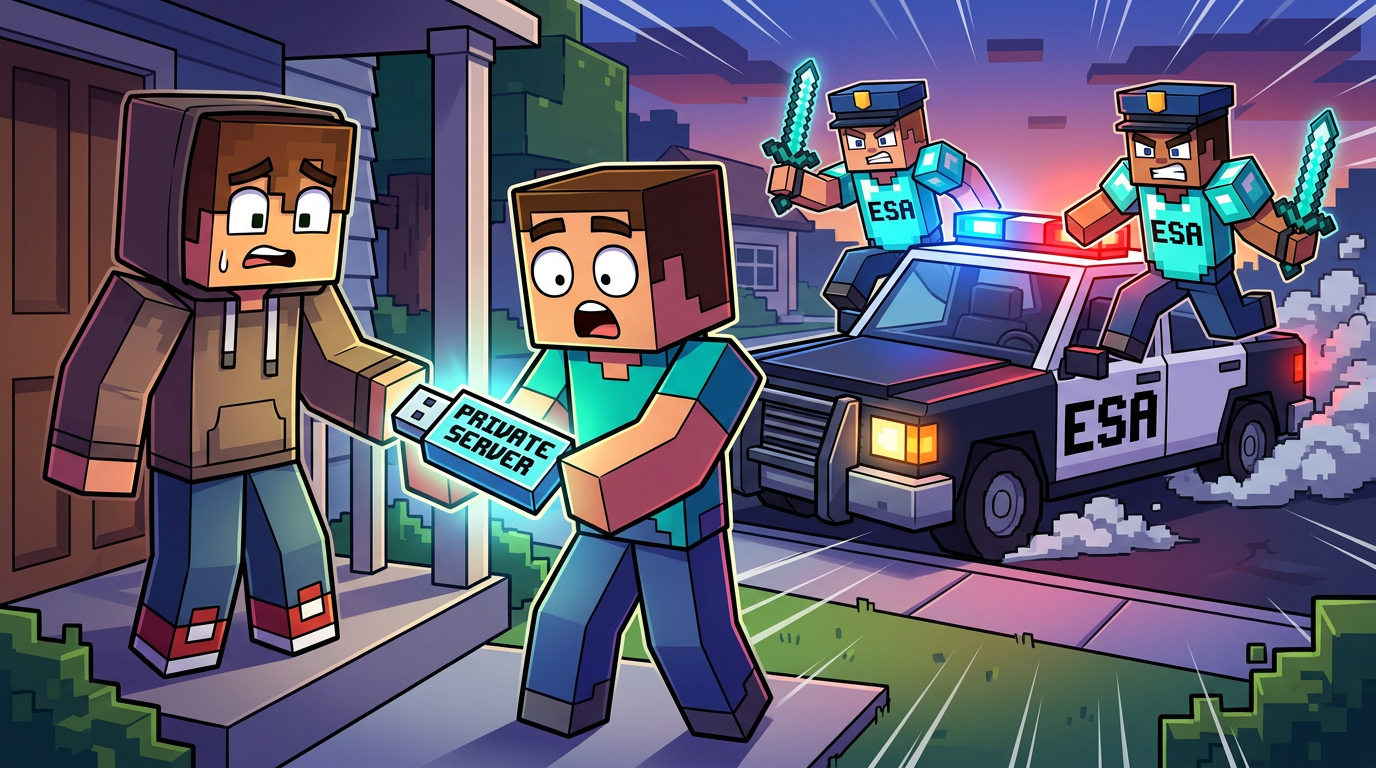
The Entertainment Software Association is facing backlash this week after a senior representative told California lawmakers, with a straight face, that community-run servers for games like Minecraft and Call of Duty are ‘illegal,’ amount to ‘piracy,’ and resemble a ‘black market’ for video games. Somewhere, a thirteen-year-old running a survival server for nine of his classmates is apparently a cartel boss now.
The comments came during a hearing on AB 1921, the Protect Our Games Act, a bill tied to the Stop Killing Games movement that aims to preserve access to games after publishers shut down official servers. When a lawmaker cited long-running Minecraft and Call of Duty community servers as proof that players can keep games alive themselves, ESA vice president Jennifer Gibbons cut in to call those servers illegal, claiming the ESA considers them piracy, that there are pending lawsuits against private servers, and that U.S. ‘Notorious Markets’ reports back her up, according to PC Gamer and Kotaku. Notorious Markets, for context, is a list usually reserved for sprawling counterfeit bazaars and torrent empires — not your buddy’s Discord-linked SMP.
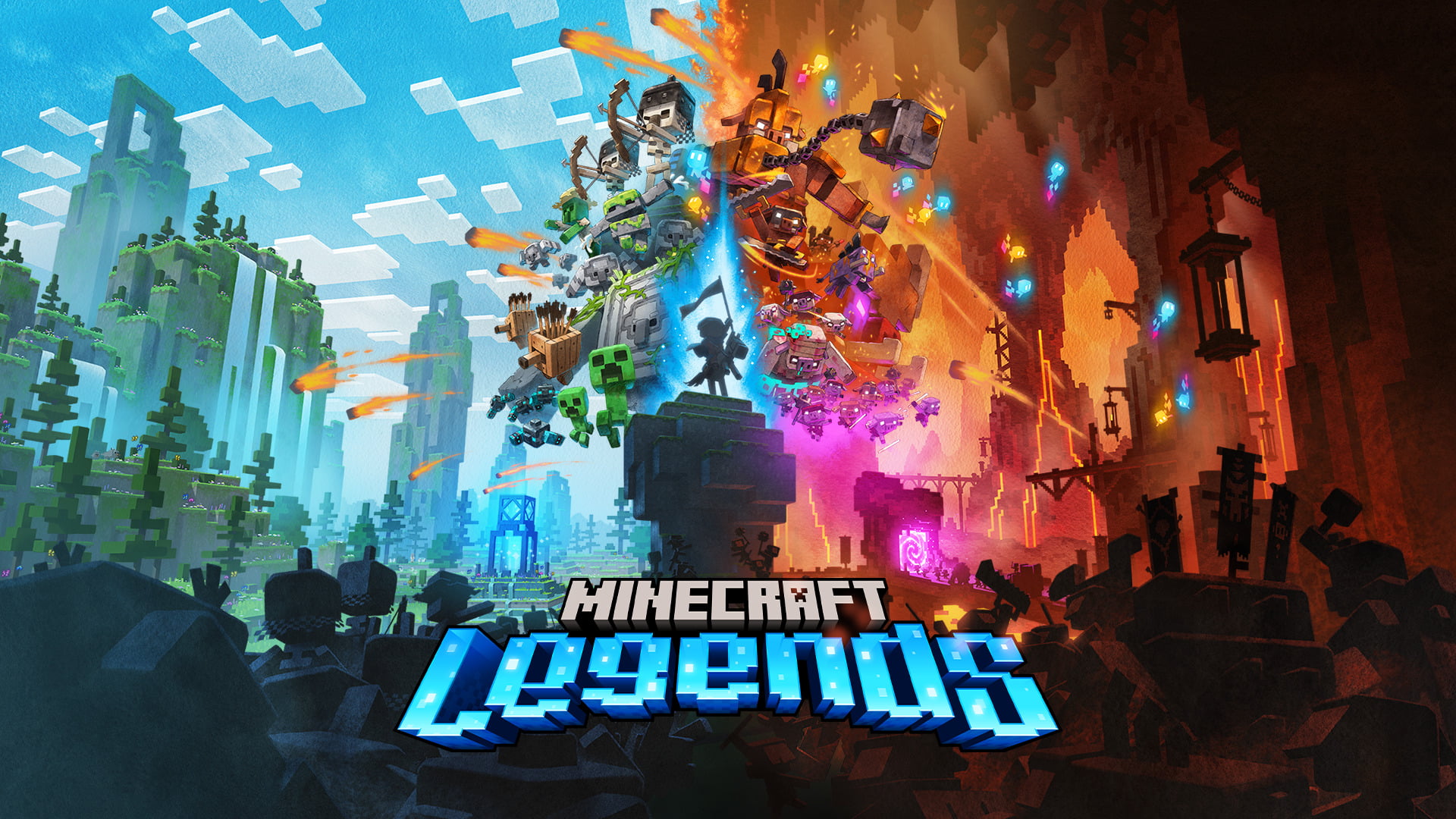
That framing doesn’t hold up against how Minecraft actually works, which is sort of an issue when you’re confidently declaring an entire industry practice illegal. Mojang and Microsoft have for years distributed an official server file for Minecraft: Java Edition, explicitly inviting players to host their own worlds under an End User License Agreement and usage guidelines, as laid out on Minecraft.net. Those rules restrict things like unauthorized commercial use, certain gambling mechanics, and brand misuse — they don’t ban private servers outright. It’s almost like Mojang anticipated this exact scenario and wrote it down.
The ESA’s own track record undercuts the new claim, too, which makes the whole thing feel less like a legal position and more like AI slop being regurgitated as fact by someone who has no idea what they’re talking about. Its past anti-server efforts targeted clear-cut infringement: World of Warcraft servers like Warmane and Firestorm that copied Blizzard’s server software to dodge subscription fees, and DMCA fights against bypassing dead authentication servers, as previously reported by TorrentFreak and Ars Technica. Those campaigns were about copied code and circumvented paywalls — not about community servers built on tools the publisher handed out for free, with the publisher’s blessing, in broad daylight.
For Gaminerd, this hits close to home, mostly because it means we’ve apparently been running a criminal enterprise. We ran our own community Minecraft server for several years, plus a second modded server, right alongside community touchstones like deadmau5’s original mau5ville, sk89q’s legendary modded server, the collaborative content-creator hub Mindcrack, and the minigame juggernaut Hypixel — projects that, between them, shaped what an entire generation of players thought Minecraft was. And that’s before you even get to the modpack scene: Technic, Tekkit, Feed The Beast, and Hexxit weren’t smuggling operations, they were sprawling, fan-maintained mod compilations that turned Minecraft into a tech-and-magic playground for millions of players, as documented by the Feed The Beast Wiki and historical writeups on early server culture.
More importantly, these servers and modpacks did not function as some piracy loophole. They actively required authenticated, legitimate Minecraft accounts to log in and play, honoring the underlying game license rather than bypassing it. These were communities built on volunteer admins, donated hosting, and a shared love of tinkering with someone else’s sandbox. According to the ESA’s logic, none of that was community-building — it was apparently a black market operation. I guess that makes us kingpins now? Forgive us if we don’t feel particularly intimidated. Nobody was laundering anything, nobody was dodging a subscription fee or bypassing license agreements. People were just building castles and redstone computers with their friends using a server.jar file Mojang handed out for free. If that’s organized crime, the organization in question mostly organized build competitions and coordinated raids against bases in survival servers.
There’s a useful counterpoint to the ‘it’s all just lawless piracy’ narrative happening in Sweden right now, too, and it’s one the ESA probably wishes wasn’t in the news cycle this week. Server operator Kian Brose has crowdfunded a legal effort against Mojang alleging the company quietly changed its EULA and usage guidelines, mishandled account migrations, and inconsistently enforced its own gambling-related rules on certain servers, according to Sportskeeda and other coverage of the case. Notably, that case isn’t built on the idea that community servers exist outside any rules — it argues the opposite: that Mojang does apply usage standards, just selectively and without proper transparency. That’s a meaningfully different problem than the ESA describing the entire category as inherently illegal and operate outside the control of developers, and it’s a much more grounded conversation than ‘private servers are basically a cartel.’
The real conversation worth having is about consistency and consumer protection — gambling-style mechanics, account handling, and clear enforcement of existing guidelines — not whether grassroots servers are secretly criminal enterprises run by middle schoolers and modders. Branding the whole ecosystem as piracy doesn’t address any of that. It just insults the people who spent years building it, and makes the ESA sound like it’s never actually played the games it’s supposedly defending.